From Modest Beginnings to Rapid Expansion
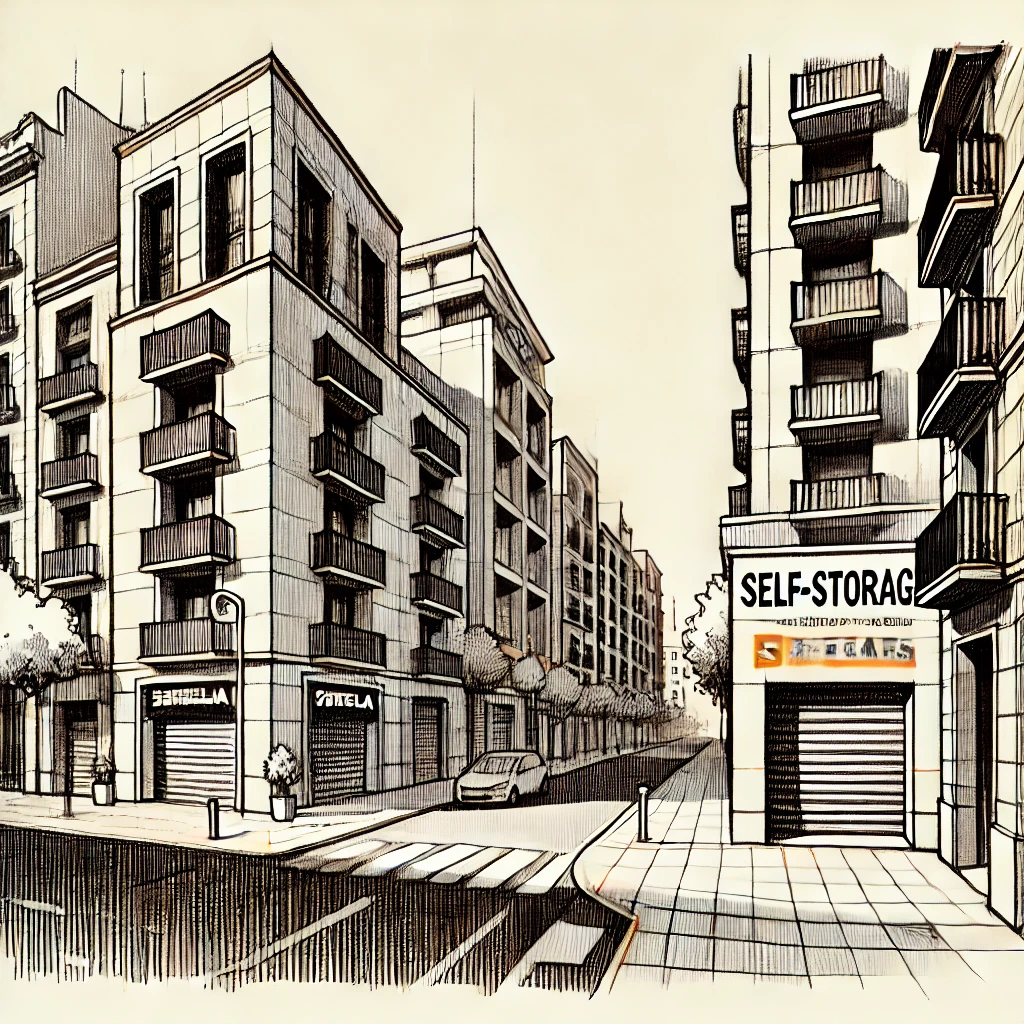
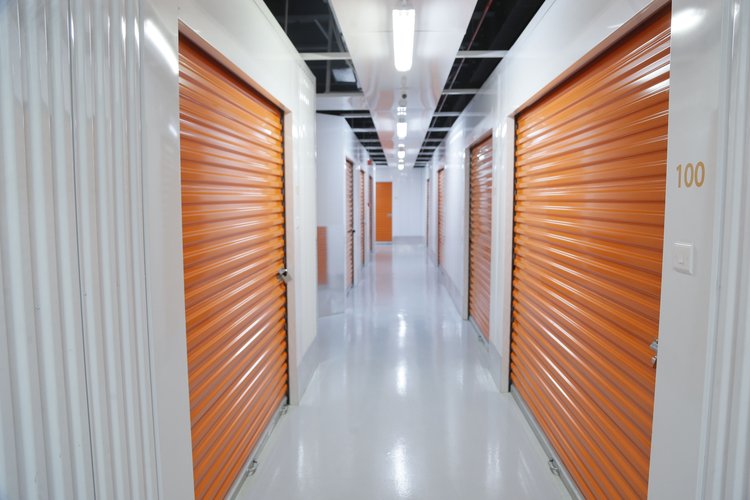
Self-storage in Spain has evolved dramatically since its introduction in the early 2000s. Initially, it was a niche service, unfamiliar to most Spaniards and limited to a handful of facilities in Madrid and Barcelona. Unlike in countries such as the United States or the United Kingdom, where self-storage was already well established, Spain had to overcome cultural reservations and a general lack of awareness.
Over time, however, urbanization, shifting housing trends, and changing lifestyles began to drive demand. Spaniards increasingly saw self-storage as a practical solution for both personal and business needs—whether for moving, renovations, inventory storage, or simply managing space constraints in smaller homes. As a result, the sector grew steadily, first in major cities and later into suburban areas.
Yet, what has transpired in the past two years is unprecedented. Since 2022, Spain’s self-storage capacity has surged by 50%—a staggering leap for an industry that had been growing at a measured pace. According to a 2024 report from FEDESSA and CBRE, Spain’s total self-storage space expanded from 1.3 million square meters in 2022 to 1.9 million square meters today. This growth has firmly positioned Spain as the fourth-largest self-storage market in Europe, trailing only the United Kingdom, France, and Germany.
The Fragmented Nature of the Market
Despite its rapid growth, the Spanish self-storage market remains highly fragmented. According to JLL’s Spanish Self-Storage Market Report, as of 2022, around 70% of the total self-storage stock, including container storage, is owned by single-owner operators. Madrid and Barcelona dominate the market, collectively accounting for 60% of the total supply.
Many entrepreneurs entered the industry by leasing small spaces and converting them with minimal investment, resulting in a prevalence of basic, low-cost facilities. Some of these operators even run self-storage as a secondary income source while maintaining their primary employment, further contributing to market fragmentation. JLL’s report highlights that over 300 operators manage only one or two facilities, whereas only a handful control 30 locations or more.
This fragmentation has created a dual-tier market. On one side, institutional operators are expanding with purpose-built, modern facilities. On the other, smaller independent operators struggle with financial constraints, making it difficult to upgrade their properties or compete on service quality. Consequently, much of Spain’s self-storage stock remains substandard compared to more developed markets.
This dynamic presents both challenges and opportunities. Larger operators can set themselves apart by offering high-quality, well-managed facilities with advanced security, automation, and superior customer service. At the same time, the fragmented nature of the industry presents an opportunity for consolidation, as investors seek to acquire and integrate smaller operators to achieve economies of scale and enhance operational efficiency.
What’s Driving the Surge in Self-Storage Growth?
Several key factors have contributed to this rapid expansion, including urbanization, increased institutional investment, technological advancements, and evolving operational models. However, the growth is not without its challenges, and the future of the industry will depend on how operators navigate these constraints.
Urbanization and Changing Consumer Behavior
Spain’s major cities—especially Madrid and Barcelona—are among the densest in Europe, with rising property prices and shrinking living spaces. As home affordability becomes an increasing concern, many residents seek external storage solutions as an alternative to larger, costlier apartments.
In addition to residential demand, businesses have also fueled the expansion. SMEs and e-commerce operations rely on self-storage for flexible inventory solutions rather than committing to long-term warehouse leases. With both households and businesses driving demand, the market has experienced steady growth for years. However, the real game-changer has been the influx of investment into the sector.
A Surge in Institutional Investment
One of the key drivers of self-storage growth in Spain has been the rising interest from real estate funds, private equity firms, and institutional investors. While not yet classified as a core real estate asset class, self-storage has gained traction due to its stable and predictable income streams and resilience to economic fluctuations. Investors are increasingly drawn to alternative asset classes as traditional sectors like office, retail, and residential face mounting challenges.
Additionally, self-storage is seen as a strong hedge against inflation, as operators can adjust rental rates frequently to keep pace with rising costs, unlike sectors with long-term fixed leases. Rising interest rates have also played a role, making debt financing more expensive and limiting opportunities for highly leveraged real estate investments. Self-storage, with its relatively lower capital expenditure requirements and stable cash flow, remains an attractive option for investors seeking resilient, income-generating assets in a higher interest rate environment.
As institutional capital continues to flow into the industry, self-storage operators are scaling their portfolios at an accelerated pace. Backed by increasing financial resources, established operators are implementing aggressive expansion strategies, acquiring smaller facilities, upgrading sites, and rapidly opening new locations. This expansion is occurring in both city-center and suburban markets, ensuring accessibility for a broad customer base while intensifying competition among players in the sector.
However, the Predictable Growth of Self-Storage in Spain Isn’t Without Its Challenges
Despite the influx of capital and rising demand, one of the greatest challenges facing self-storage operators in Spain is the scarcity of suitable properties.
Zoning Issues and Regulatory Uncertainty
In the absence of specific regulations for self-storage, municipalities tend to classify these facilities under the closest existing category: industrial storage. As a result, converting retail spaces, office buildings, or mixed-use properties into self-storage centers is legally complex and often risky. Operators frequently face lengthy approval processes and zoning conflicts, making development unpredictable and slowing expansion.
Intense Competition for Industrial Properties
Because of these regulatory hurdles, self-storage operators all target the same type of properties—those already zoned for industrial primary use. However, these properties are typically located in industrial estates, meaning that operators end up clustered in the same sub-markets, often competing for the same real estate.
The Future: Market Consolidation, New-Build Facilities, and Expansion into Secondary Cities
As the challenges of property acquisition and competition in Madrid and Barcelona intensify, operators are likely to shift toward new-build facilities and secondary markets. At the same time, consolidation within the industry appears increasingly likely as institutional investors seek to aggregate smaller operations into more efficient, scalable portfolios.
Market Consolidation
Given the fragmented nature of the industry, the next phase of self-storage growth in Spain is likely to involve significant consolidation. Larger, well-capitalized operators will continue acquiring smaller, independent facilities, bringing them under unified brands and upgrading them to higher-quality standards. This will lead to more professionalized management and better service offerings, improving overall industry perception and consumer experience.
New-Build Self-Storage Centers
To escape the constraints of property conversions and industrial estate clustering, operators are beginning to explore developing purpose-built self-storage facilities. This shift allows for:
- Greater flexibility in location selection (outside industrial parks and closer to customers).
- Modern, high-quality facilities that differentiate from older converted sites.
- Less direct competition compared to over-concentrated urban markets.
Expansion into Secondary Cities
Spain has a large number of urban centers with populations exceeding 250,000 residents, yet most of these markets remain underserved in terms of self-storage supply. As operators face challenges in Madrid and Barcelona, they will naturally look to other high-density, high-demand cities such as Seville, Málaga, Valencia, Zaragoza, and Bilbao.
Final Thoughts: A Sector in Transition
Spain’s self-storage industry has evolved from a slow-growing niche market into a booming asset class, attracting increasing investor interest. However, while demand remains strong, the sector is now facing growing pains as it matures.
With smart investment, regulatory adaptation, and geographic diversification, Spain’s self-storage sector is well-positioned for continued expansion—albeit with new strategic challenges on the horizon. Market consolidation will likely reshape the industry, providing opportunities for professionalization, efficiency gains, and improved customer offerings.
References:
FEDESSA & CBRE (2024) – European Self Storage Annual Survey
JLL (2023) – Spanish Self Storage Market Report
El País (2024) – “El bum de los trasteros: ¿solución o parche a la falta de espacio en casa?”